
TB96 LAB
The Lab
Engineering notes, material science, and the craft behind True Base 96.
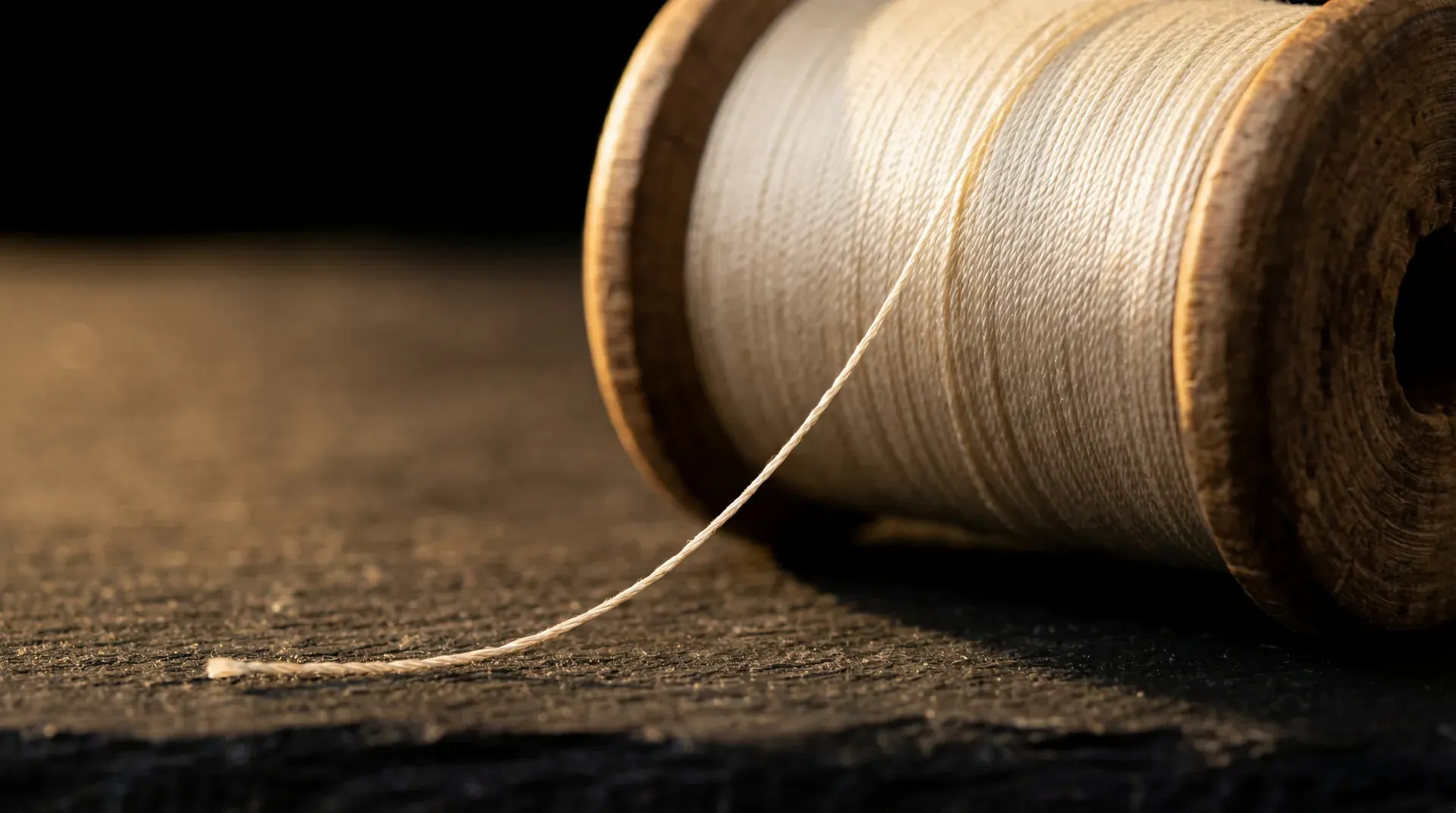
The 50/2 Equation: Where Durability Meets Refinement
Every garment begins with a single thread. Within that thread lies a decision that determines everything: how the fabric drapes, how it ages, and whether it holds its form for decades or loses it in weeks. That decision is yarn count.
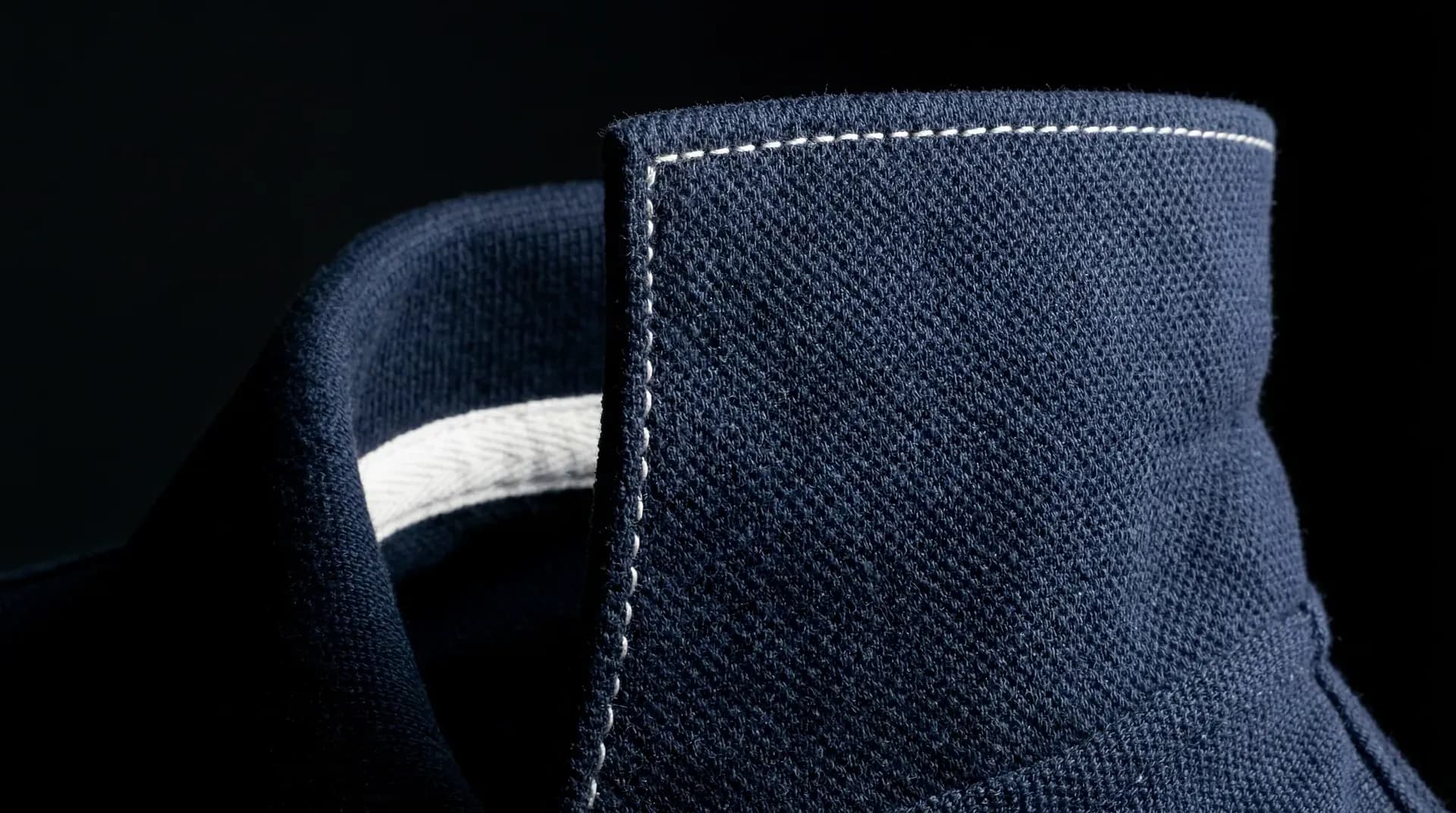
Anatomy of a Polo That Lasts a Decade
The difference between a polo that collapses after a single season and one that improves with age is not the logo stitched on the chest. It is a series of deliberate engineering decisions—from collar reinforcement to precision seams—made long before the garment ever reaches a hanger.
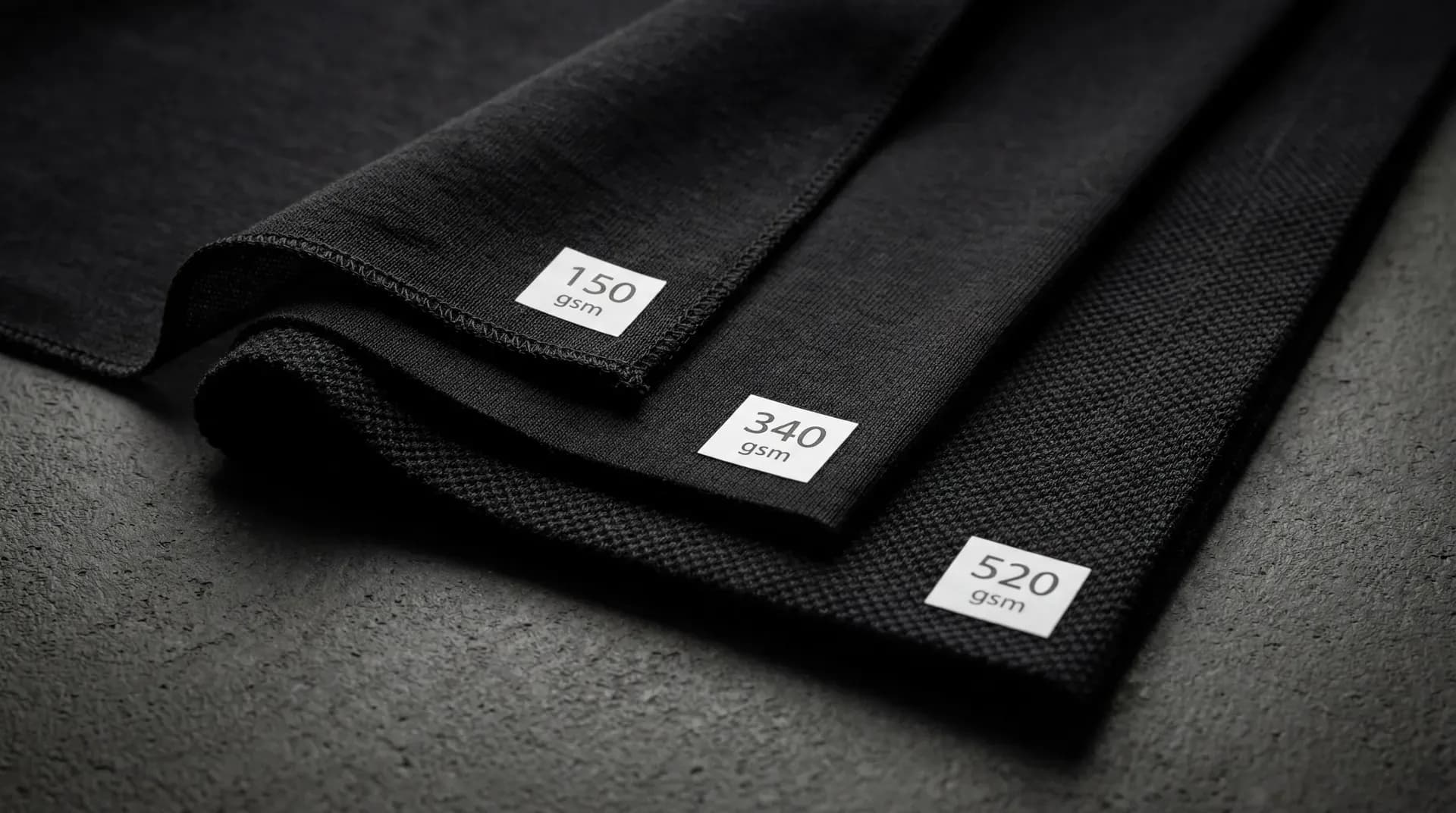
Why GSM Matters More Than Thread Count
Thread count has been the ultimate marketing buzzword for decades. But in knitted textiles, GSM (grams per square meter) is the only true metric that predicts how a garment will perform over time.
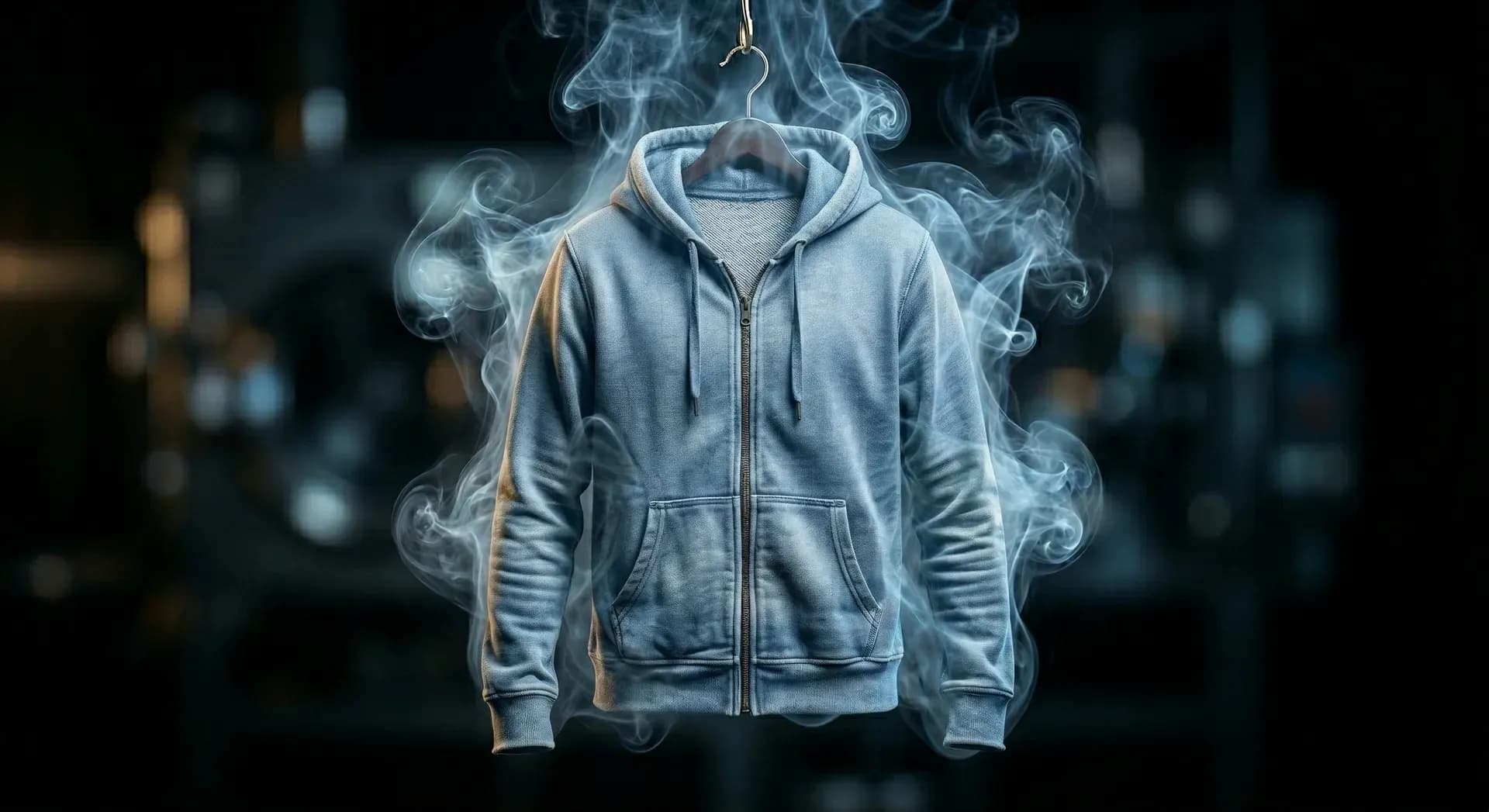
Zero Water: How Ozone Finishing Works
Conventional garment finishing wastes thousands of liters of water. Ozone finishing replaces water-heavy wash cycles with O3 gas—achieving that perfect, naturally worn-in surface effect at a fraction of the environmental cost.

From Fiber to Finish: What Vertical Integration Actually Means
Every apparel brand claims quality. But very few can trace a garment from raw fiber to finished product without crossing a single external boundary. Vertical integration isn’t a marketing buzzword—it is an intricate infrastructure that takes decades to perfect.
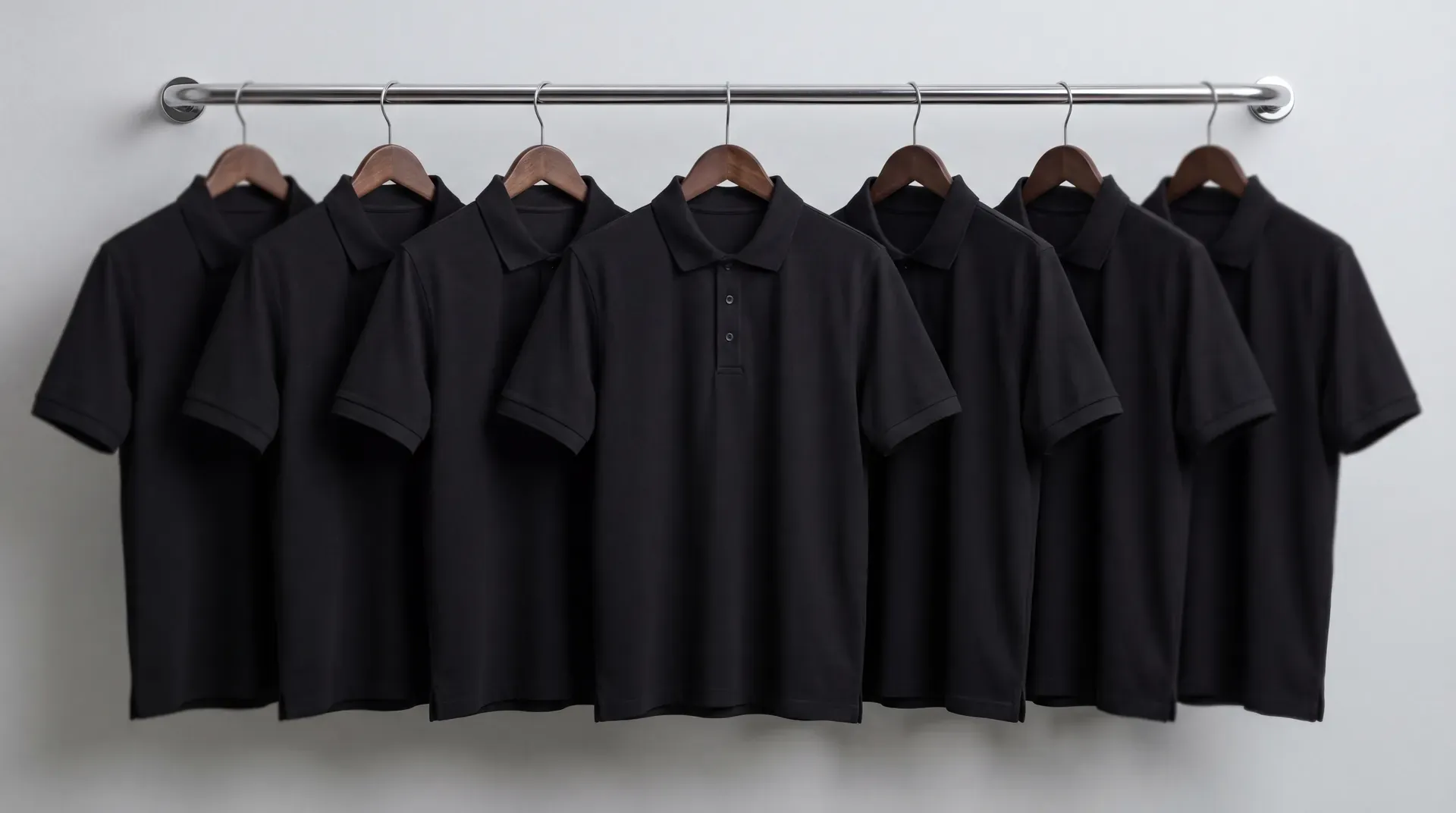
Why the Best Companies Are Rethinking What Their People Wear
Companies spend billions annually on branded merchandise that ends up discarded within weeks. The shift from disposable corporate merch to high-performance, engineered apparel is no longer just an aesthetic choice—it is a financial and environmental mandate.